Apricot Varieties
12 varieties, from June to August
Harvest calendar
Exact harvest windows depend on weather conditions. Pre-register and we will keep you updated.
Exact harvest windows depend on weather conditions. Pre-register and we will keep you updated.
Reason for planting 12 varieties
Early varieties blossom 1-2 weeks later than late varieties, and ripen 50-60 days apart. This staggered schedule significantly reduces the risk of spring frosts and monilia (the apricot's most dangerous biological enemy). Thus, every year some varieties escape damage by blooming outside of high-threat windows. Additionally, staggered harvest times alleviate picking bottlenecks during peak season.
Nutritional values & flavor profile
The most flavorful, aromatic 'jam' apricots are the Gönci Magyar and Magyar Kajszi. Despite its earliness and delicacy, Aurora offers a remarkable, deep flavor profile. The other varieties also hold rich nutritional value, but offer distinct advantages such as exceptional aroma, firm texture, or longer shelf-life.
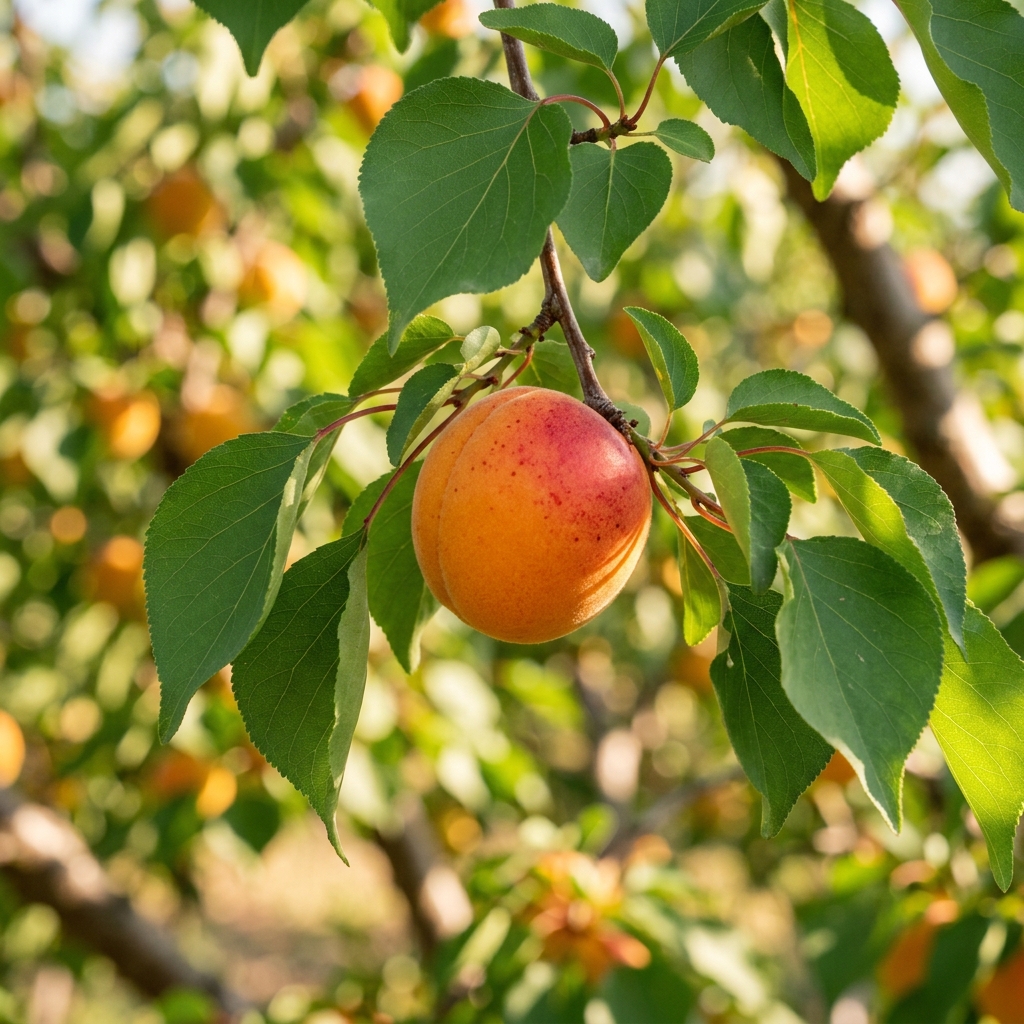
Gönczi Magyar
Base ingredient of Kecskeméti Barackpálinka Hungarikum
The traditional Hungarian apricot variety selected by Sándor Brózik in the 1950s. 16–20°Brix. Its high natural sugar content and intense aroma make it the first-choice ingredient for quality pálinka distillation and jam production. Gönczi Magyar is a recognised base variety of the Kecskeméti Barackpálinka Hungarikum.
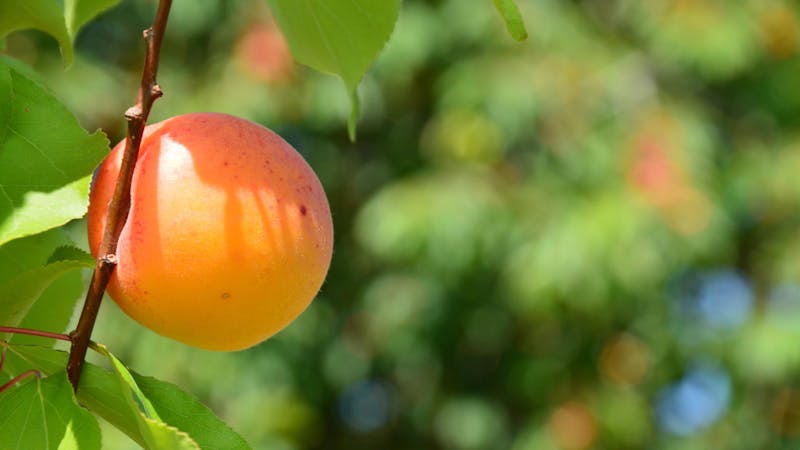 Early varieties
 Tsunami
Extremely early variety, the season opener. Bright orange, juicy fruit.
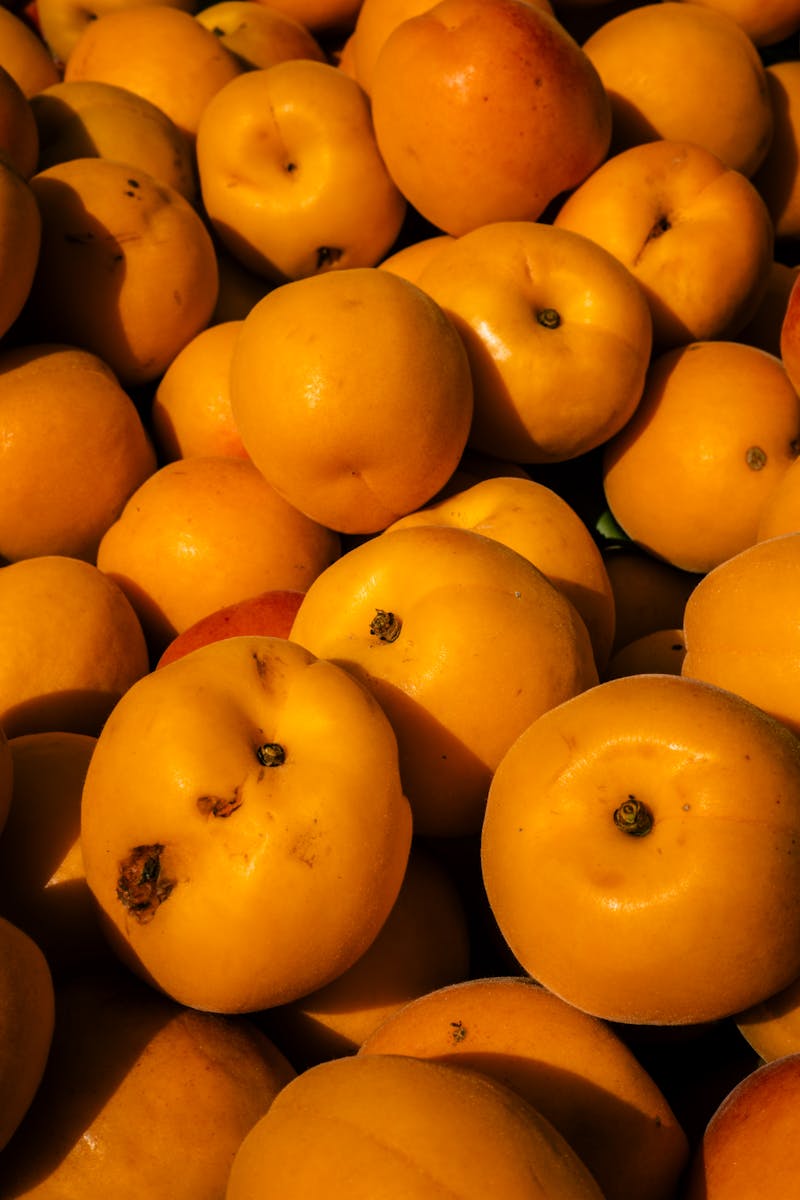 Early varieties
 Aurora
Early, high-volume variety. Bright orange with excellent flavour, a market favourite.
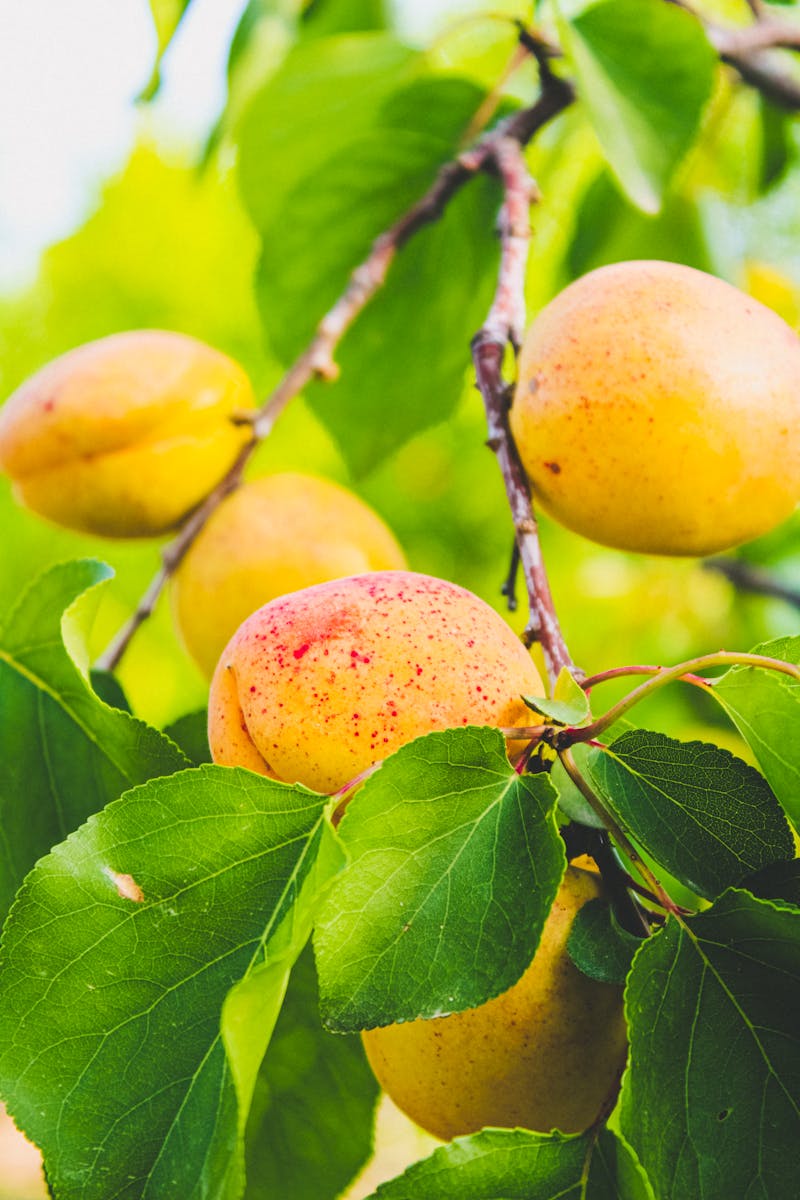 Mid-season varieties
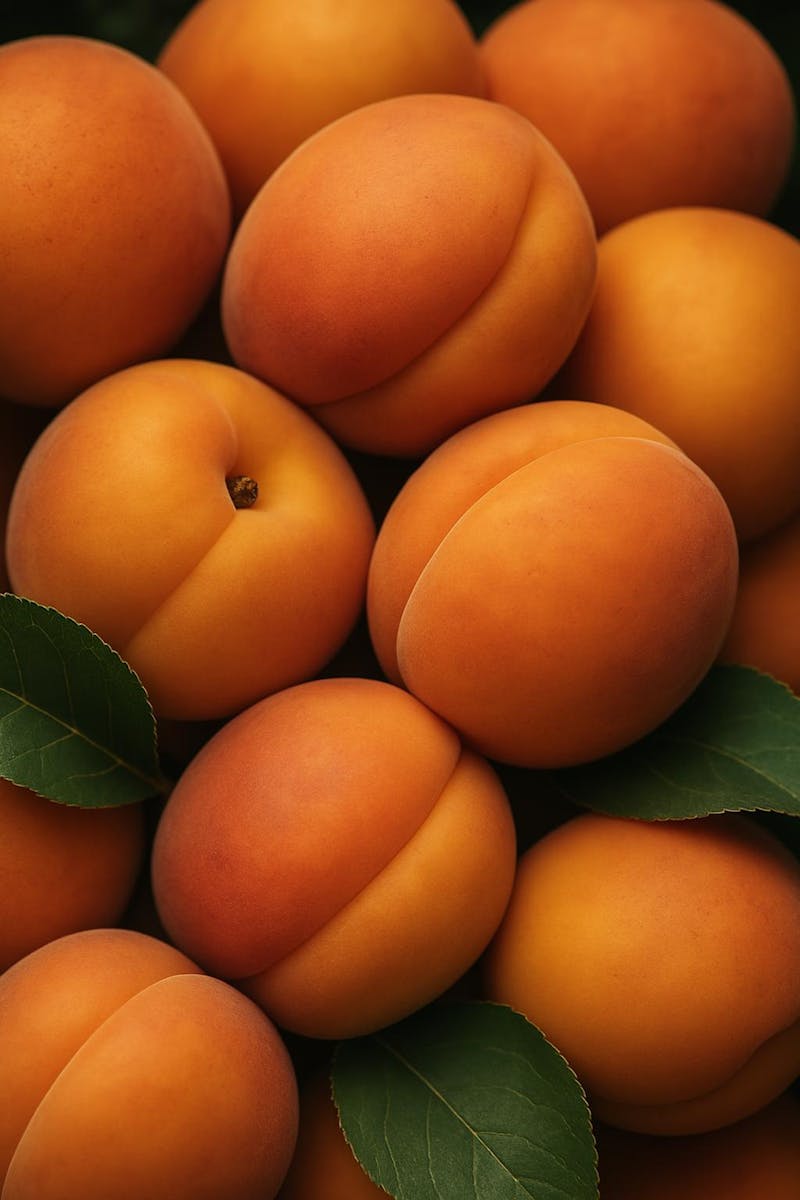
 Orange Red
Intensely orange-red coloured mid-early variety with full flavour.
 Mid-season varieties
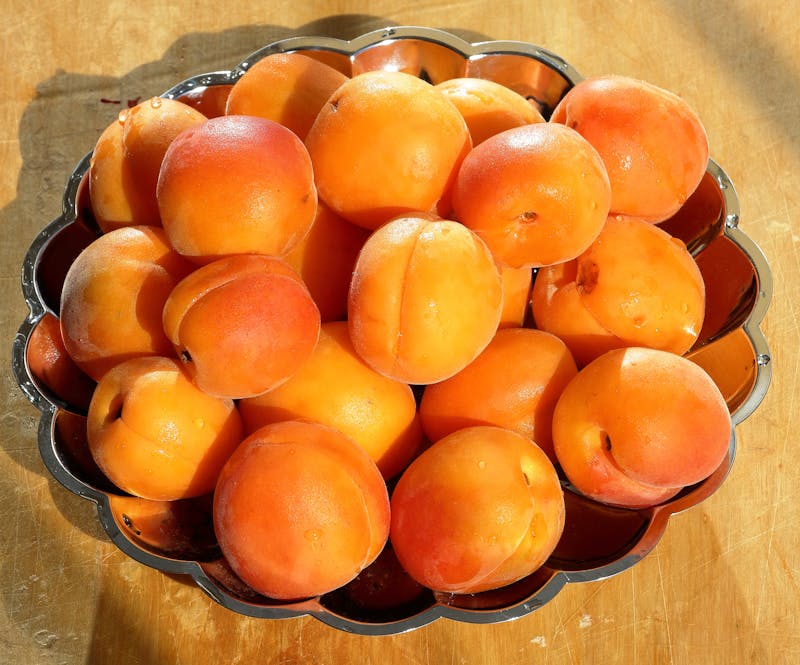
 Szegedi Mamut
Local Szeged-bred variety, exceptionally large fruit. Rare, available in limited quantities.
 Mid-season varieties
 Harcot
Canadian-bred mid-season variety of excellent quality. Large, uniform fruits.
Mid-season varieties Gönczi Magyar
The classic Hungarian apricot. High Brix value, versatile, high-yielding. The basis of Kecskeméti barackpálinka.
 Mid-season varieties
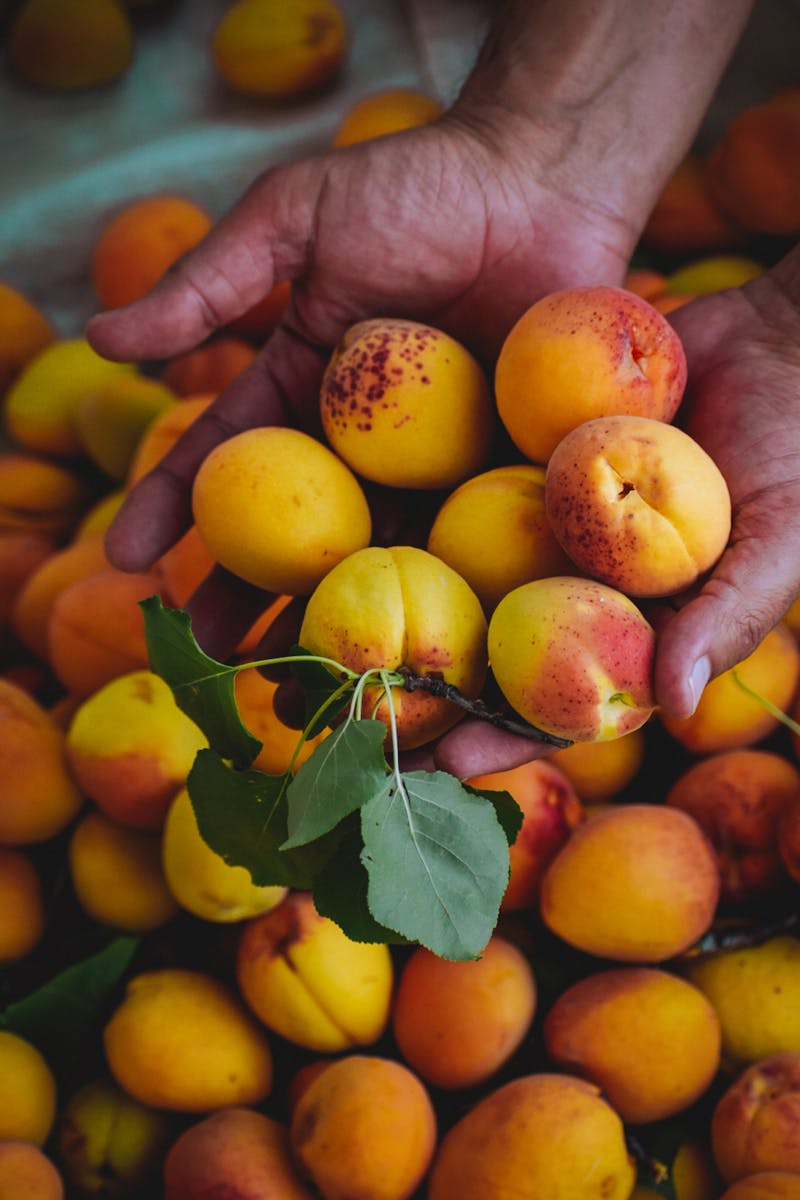
 Magyar Kajszi
Traditional Hungarian variety, excellent for jam and pálinka production. Rich aroma, high sugar content.
 Mid-season varieties
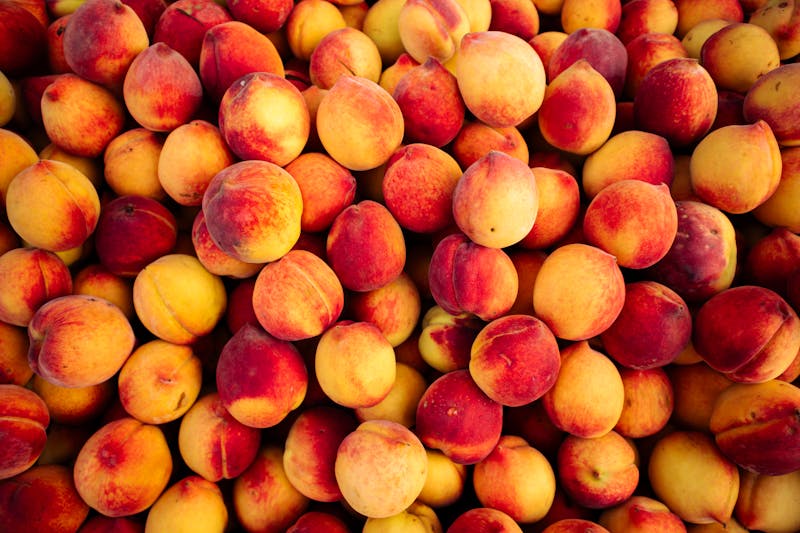
 Bergerouge
French-bred premium variety with vivid red blush and large fruit size.
 Late varieties
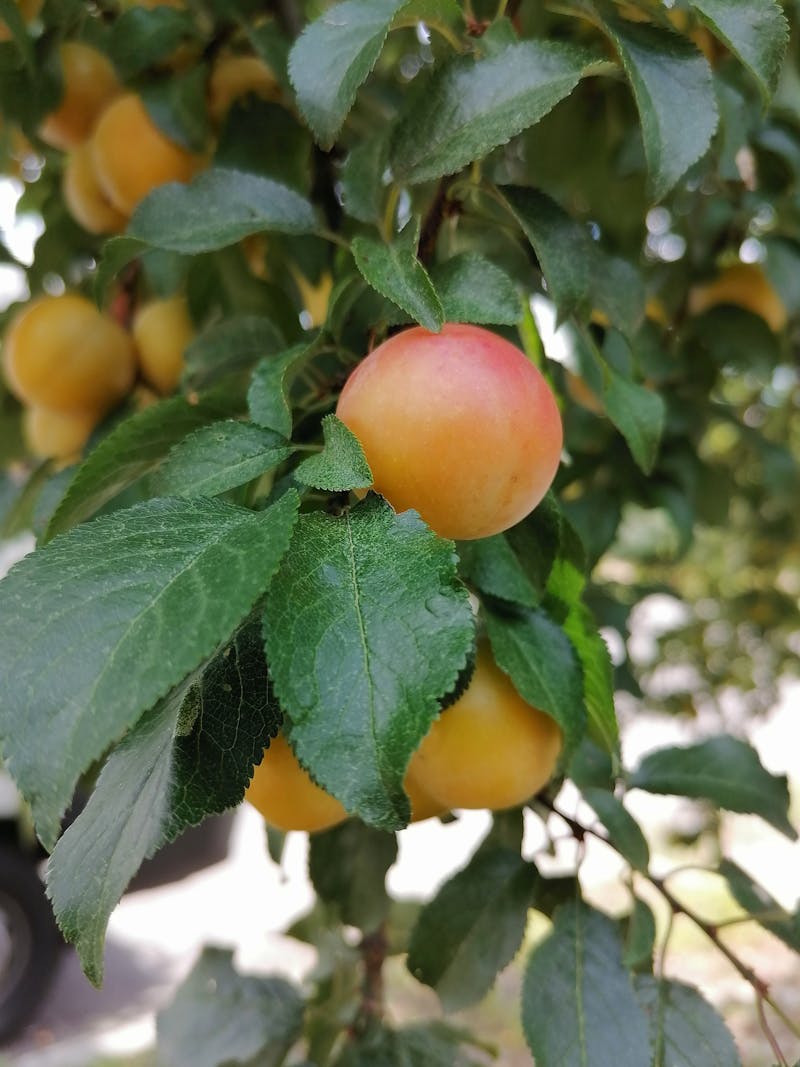
 Ceglédi Szilárd
Late mid-season, firm-fleshed, excellent for transport. Long shelf life.
 Late varieties
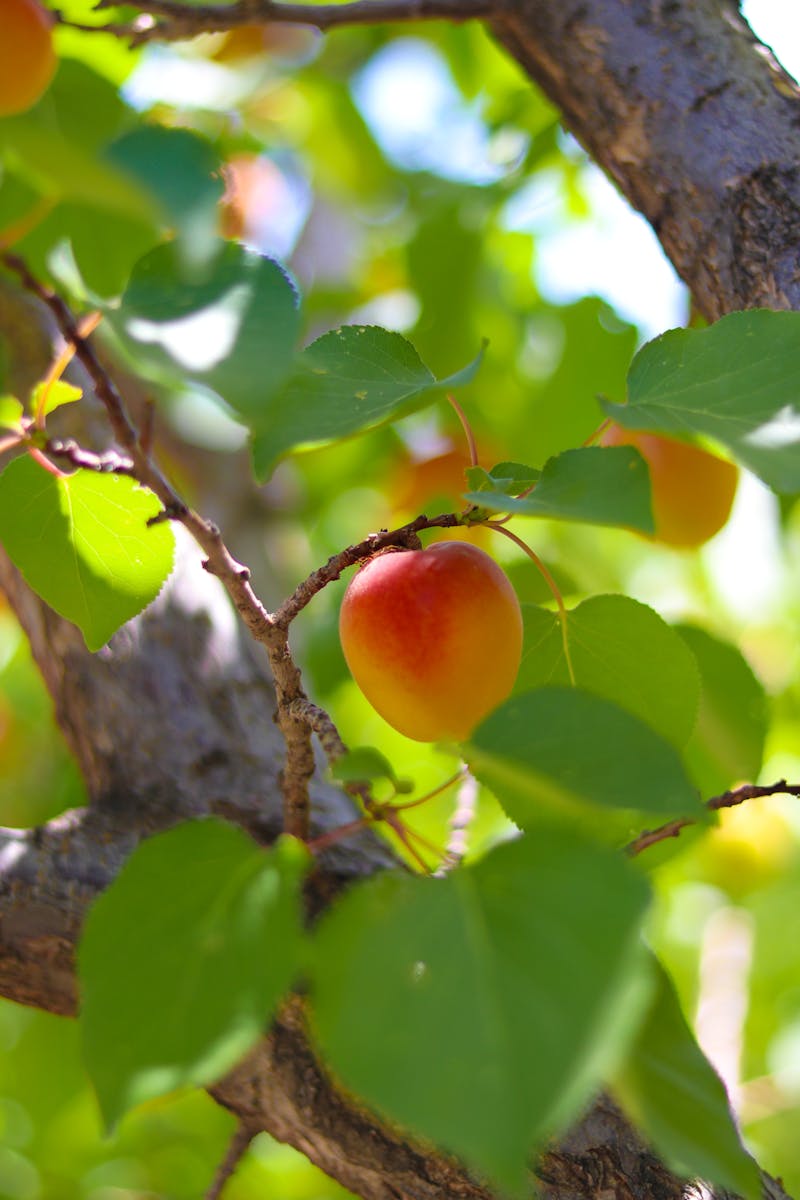
 Kyoto
Japanese-bred late variety, uniquely aromatic, deep orange-red fruit.
 Late varieties
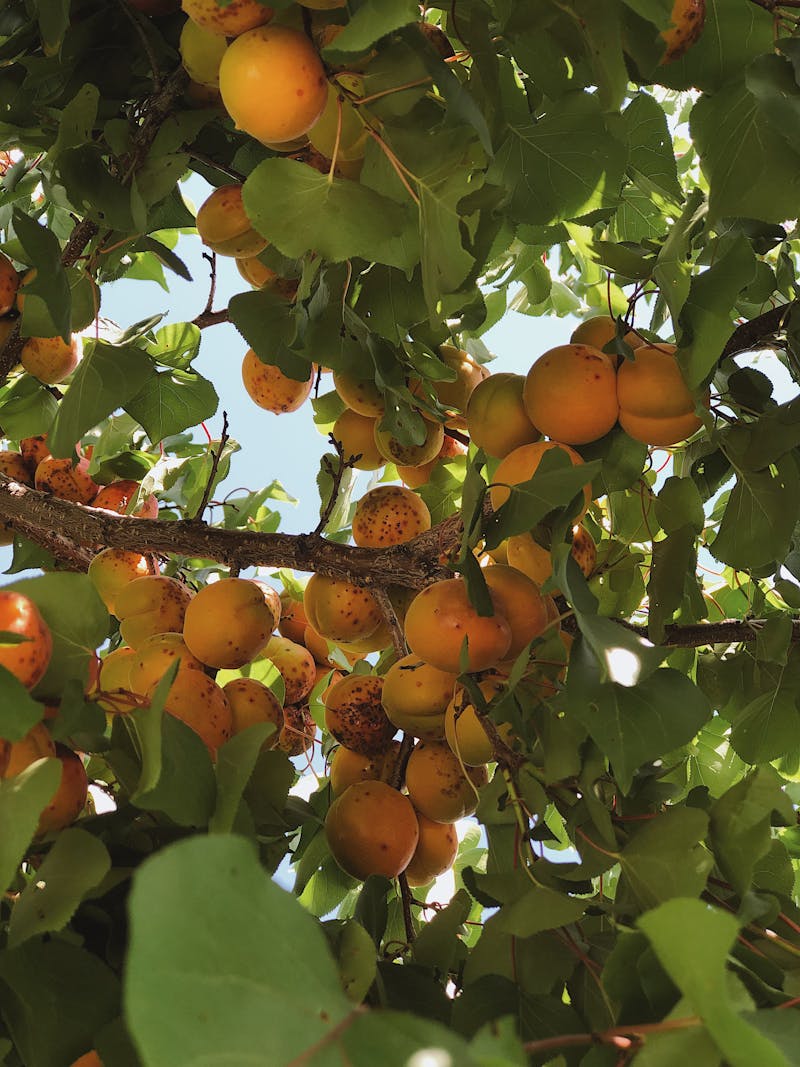
 Nagykőrösi rózsa
Late variety with vivid red-orange skin and aromatic flesh.
 Late varieties
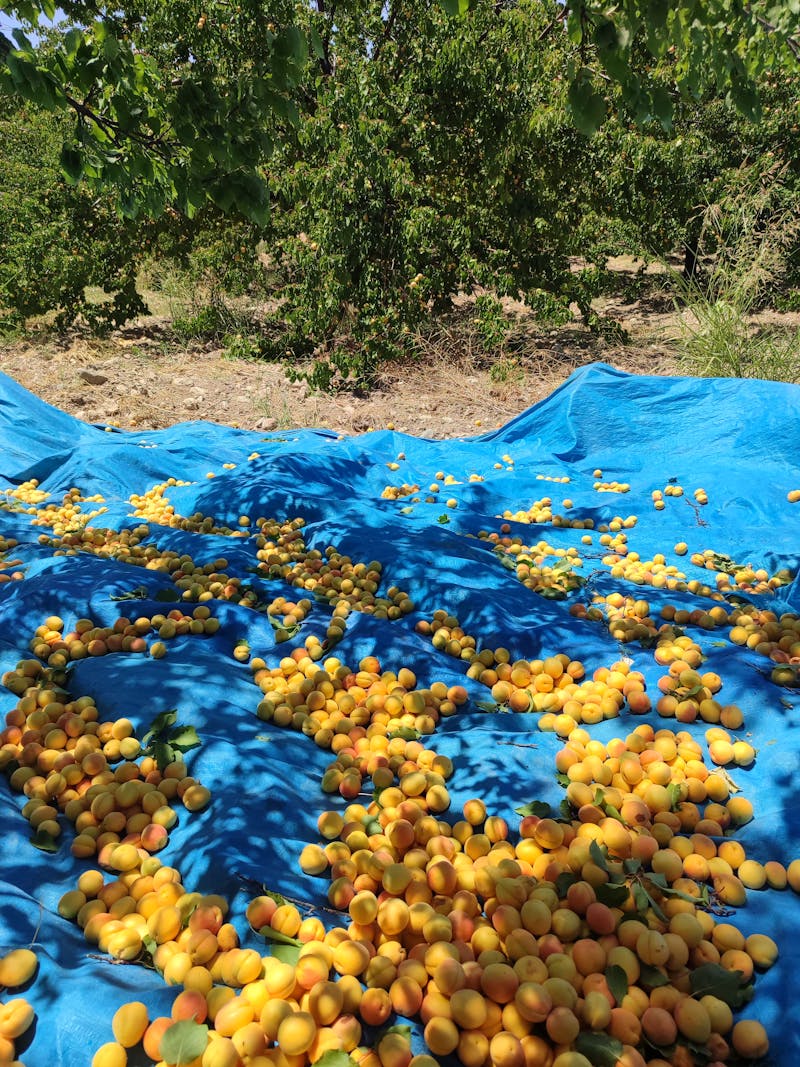
 Tardicot
The latest variety, extending the season to mid-August. Deep orange, full-flavoured.